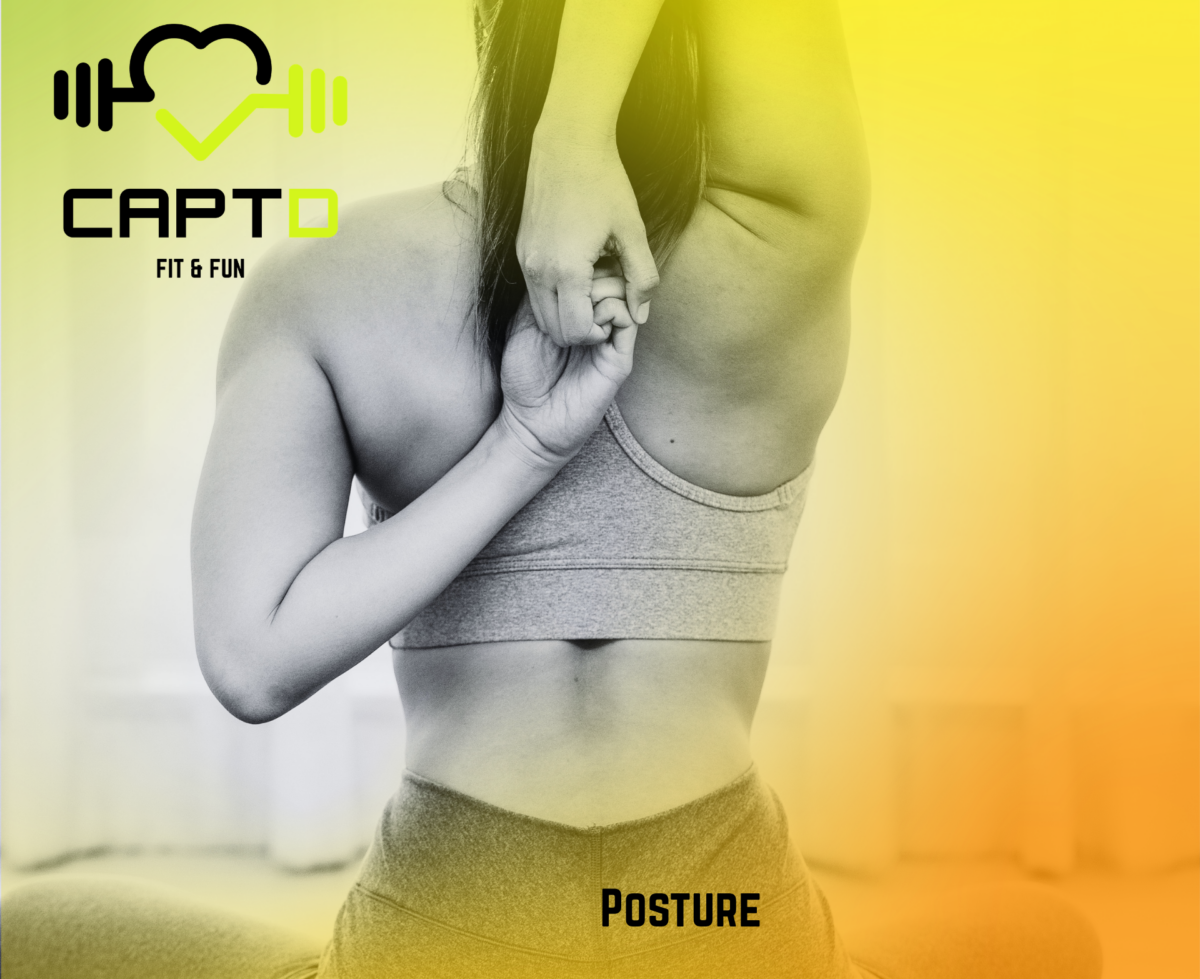

If your shoulders are permanently somewhere around your ears, your neck feels stiff by lunchtime and your back starts complaining after a day at your desk, you’re definitely not alone.
7 Simple Ways to Improve Your Posture
Modern life can be surprisingly tough on our posture. We sit at computers, drive to work, scroll through our phones, spend hours on the couch and often go through entire days without giving much thought to how we’re holding our bodies.
The good news? Your posture isn’t fixed in stone.
With regular movement, better body awareness and exercises that develop strength and mobility, you can work towards feeling stronger, more comfortable and more capable in your everyday movement.
And no, you don’t need to spend your entire day walking around with your shoulders pulled back and your stomach sucked in. In fact, good posture isn’t about finding one perfect position and holding it forever. It’s about having the strength, mobility and awareness to move comfortably through a variety of positions.
So let’s look at seven simple ways to start improving your posture — and why Pilates can be such a valuable part of the process.
Why Does Posture Matter?
Before we get into the “how”, let’s talk about the “why”. Your posture affects the way your body is positioned while you’re sitting, standing and moving. Good movement mechanics involve many different muscles and joints working together rather than one isolated body part doing all the work.
When you spend long periods in one position, particularly sitting, certain areas of your body can become stiff while others may become less active. Think about what happens when you’re sitting at a laptop.
Your hips stay bent. Your spine stays relatively still. Your shoulders may roll forward. Your head moves towards the screen. Your arms remain in front of you. Do this for several hours, then repeat it five days a week.
It’s not surprising that your body might eventually say: “Could we please move now?”
Regular movement can help break up these periods of inactivity while exercises that target strength, mobility and stability can help support better movement patterns. That’s where the following seven strategies come in.
1. Strengthen Your Core
When people hear “core strength”, they often think about six-pack abs. But your core is much more than your abdominal muscles. Your core includes a group of muscles around your trunk that help stabilise your spine and pelvis and provide a foundation for movement.
A strong, well-functioning core can help you maintain stability while your arms and legs move. It also plays an important role in many everyday activities, from bending and lifting to walking and changing position.
This is one reason Pilates for posture is so popular. Pilates places a strong emphasis on controlled movement and core engagement, encouraging you to develop strength while paying attention to alignment and stability.
And here’s the good news: You don’t need to spend an hour doing crunches. Exercises such as planks, bridges, controlled Pilates movements and other stability exercises can all contribute to a stronger core.
The goal isn’t simply to make your stomach stronger. It’s to develop a stable centre that supports the way the rest of your body moves.
2. Mobilise Your Spine
Your spine is designed to move. It bends, extends and rotates as you perform everyday activities. But if much of your day involves sitting in the same position, your spine isn’t getting much opportunity to explore that movement.
That’s where spinal mobility exercises can help. Gentle movements such as controlled rotations, spinal extensions and flexion exercises can encourage you to move your spine through different ranges of motion.
You don’t need to force anything. In fact, gentle and controlled is usually the better approach. Try incorporating a few minutes of spinal mobility into your morning routine or using it as a movement break during the working day.
Even something as simple as standing up from your desk and gently rotating your torso can remind your body that it isn’t supposed to spend eight hours frozen in one position. Movement is the objective. Not perfection.
3. Open Up Your Chest
Here’s a familiar desk posture: Shoulders rounded forward. Arms reaching towards the keyboard. Head slightly forward. Chest compressed. After several hours, you may feel tight across the front of your shoulders and chest.
Exercises that encourage chest and shoulder mobility can help counter some of the positions we spend so much time in. Gentle chest-opening stretches, shoulder movements and exercises that strengthen the muscles around your shoulder blades can all form part of a balanced movement routine. But don’t think of this as simply “pulling your shoulders back”.
Your shoulders need to move. They need to rotate, elevate, depress and move through different positions. The aim is therefore not to hold your shoulders rigidly backwards all day. Instead, develop enough mobility and strength that you can move your shoulders freely and comfortably.
And remember to breathe. A slow, controlled breath while stretching can turn a basic movement into a surprisingly effective little reset during a busy day.
4. Strengthen Your Upper Back
If your daily routine involves a lot of sitting and screen time, your upper back deserves some attention. The muscles around your upper back and shoulder blades help support your shoulders and contribute to the movement and stability of your upper body. Strengthening these muscles can be particularly useful when combined with mobility work.
Exercises might include resistance-band rows, Pilates-based pulling movements and other exercises that encourage controlled movement around the shoulder blades. The key word here is control.
Don’t simply yank a resistance band towards you and call it done. Focus on the movement. Keep your shoulders relaxed. Move deliberately. Notice how your shoulder blades respond.
This is one of the principles that makes Pilates such an interesting approach to posture: you’re not simply trying to make a muscle stronger. You’re learning to coordinate different parts of your body more effectively.
5. Don’t Forget Your Hips
Posture isn’t just about your shoulders and spine. Your hips play a significant role in how your body moves too. Think about how much time many of us spend sitting. Your hips remain bent for long periods, often with very little movement through their full range. Over time, this can contribute to feelings of stiffness and restricted movement. Introducing regular hip mobility work can help keep your lower body moving.
Simple exercises might include controlled hip circles, lunges, gentle dynamic stretches and movements that take your hips through different ranges of motion. Strength matters here too. Your glutes and other muscles around the hips contribute to stability and movement, so a good posture-focused routine shouldn’t only involve stretching.
Mobility and strength work best together. Your body isn’t made up of isolated departments. Everything is connected.
6. Become More Aware of Your Everyday Posture
This one doesn’t require a gym, a Reformer or even workout clothes.
It simply requires awareness. Start noticing how you hold your body throughout the day. How are you sitting at your desk? Are you always leaning towards one side? Do you spend hours looking down at your phone? Are your shoulders tense when you’re concentrating? Do you stay in the same position for hours without moving?
You don’t need to become obsessed with correcting every tiny movement. Instead, use these observations as reminders to change position and move more often. Set a timer if necessary. Stand up. Walk around. Stretch. Get some water. Roll your shoulders. Look away from the screen.
The next time you catch yourself folded over your laptop, don’t criticise yourself. Just move. That’s the point.
7. Make Pilates Part of Your Movement Routine
If improving posture is one of your goals, Pilates is worth exploring. One of the key principles of Pilates is developing better control over how your body moves. Exercises often involve a combination of core engagement, stability, alignment, mobility and coordination. This makes Pilates particularly interesting for people who want to improve not just their strength, but their body awareness.
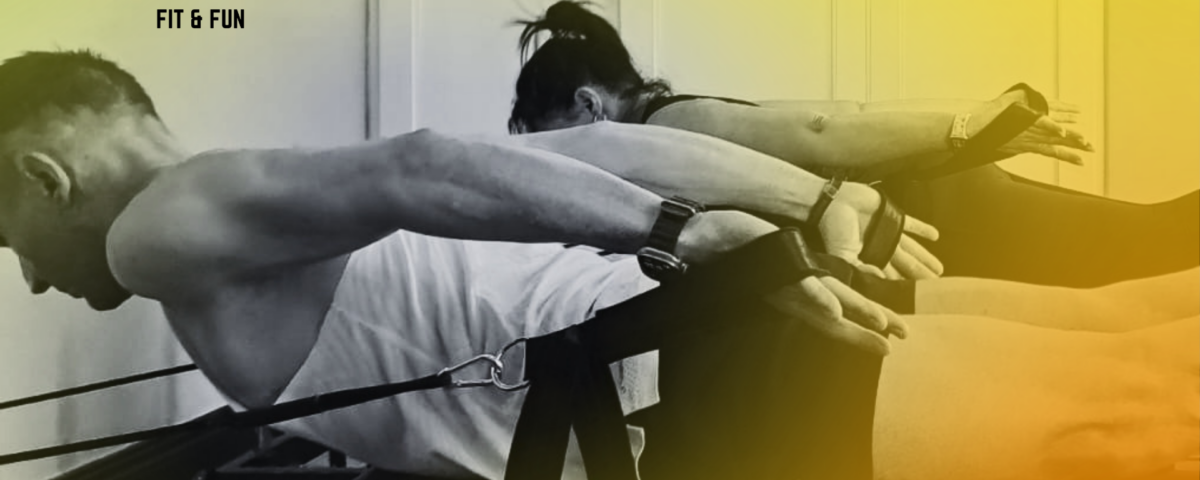
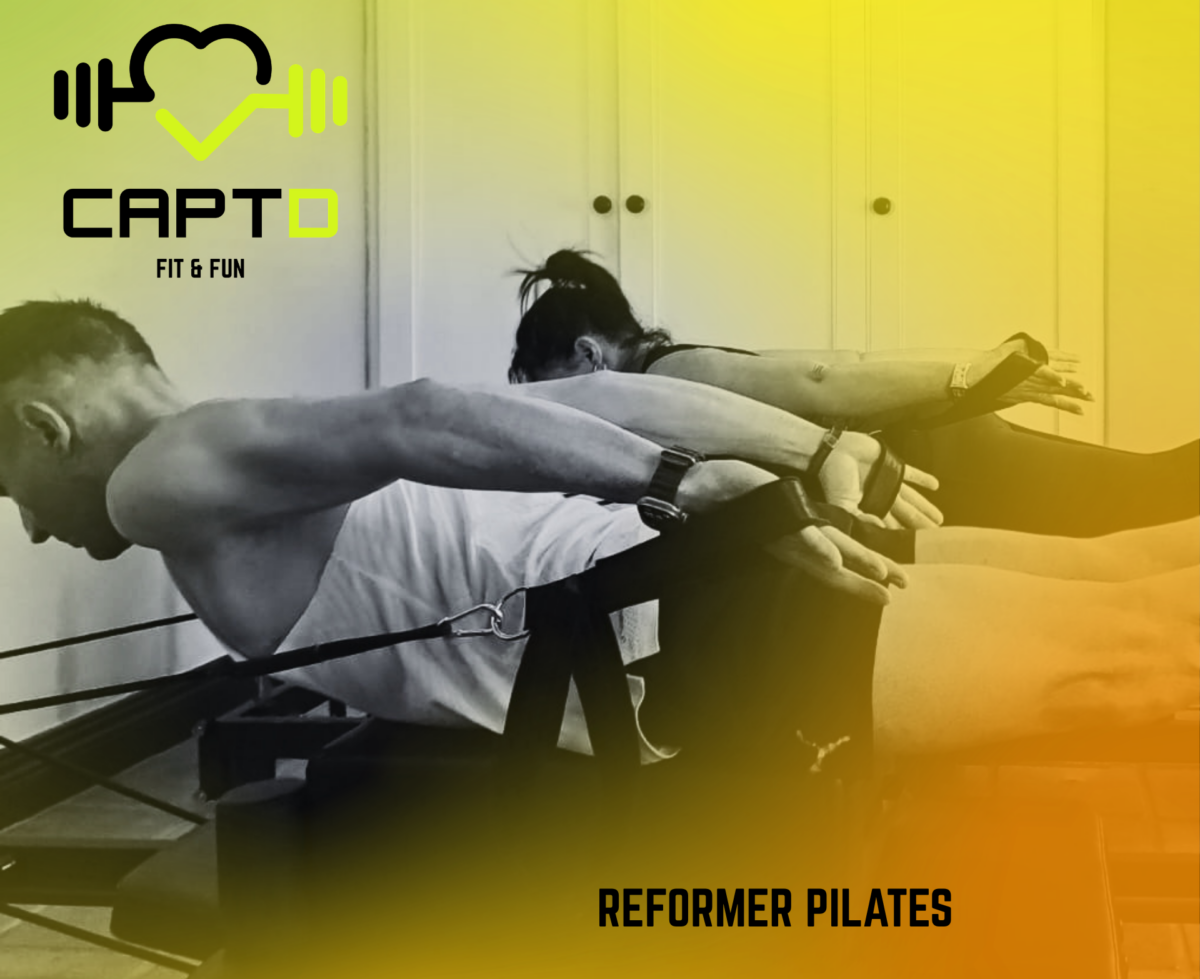
Reformer Pilates takes these principles further by introducing resistance and support through the Reformer machine. The moving carriage, springs and straps allow you to perform a wide range of exercises while challenging your body to maintain stability and control.
That combination can make Reformer Pilates an effective and enjoyable way to develop the physical qualities that contribute to better movement. And perhaps the biggest benefit? You’re not sitting at a desk. You’re moving.
Why Reformer Pilates Can Be So Good for Posture
Let’s take a closer look at the connection. Reformer Pilates isn’t a “posture correction machine”. There isn’t a magic button you press that suddenly makes your posture perfect. Instead, the exercises can help you develop several qualities that are relevant to healthy movement.
Core strength – A strong core provides stability around your trunk and can support controlled movement.
Stability – Many Reformer exercises challenge you to keep your body stable while your arms or legs move.
Mobility – Controlled movement through different ranges can help maintain mobility in your joints and spine.
Body awareness – Pilates encourages you to pay attention to alignment, breathing and how different parts of your body are moving.
Coordination – Your body rarely moves one muscle at a time. Pilates can help you practise coordinating multiple areas of your body together.
Put these elements together and you’re not simply working on how you look when you’re standing. You’re working on how you move. And that’s a much more useful goal.
The Desk Worker’s Movement Reset
If you’re reading this at your desk right now, here’s a challenge: Don’t finish reading this article in the exact same position you started it.
Stand up. Take a few steps. Roll your shoulders. Take a few deep breaths. Gently rotate your spine. Stretch your arms overhead. Move your hips. Look away from the screen. It will take less than two minutes. Now imagine doing something similar several times throughout your working day.
Those little movement breaks may seem insignificant, but they can help break up long periods of sitting and encourage you to think differently about movement. Your body doesn’t necessarily need a dramatic intervention. Sometimes it needs more opportunities to move.
What About Sitting Up Straight?
Here’s something worth clearing up. You’ve probably been told at some point: “Sit up straight!” And while there are situations where adjusting your sitting position can certainly be helpful, constantly trying to hold yourself rigidly upright isn’t necessarily the answer.
Your body isn’t designed to remain perfectly still. Healthy posture is dynamic. You should be able to sit, stand, walk, bend, rotate, reach and change positions comfortably. Rather than trying to maintain one “perfect” posture all day, focus on building the strength and mobility that allow you to move between positions easily.
And that’s why regular movement is so important. The best posture may simply be your next posture.
Can Exercise Really Change Your Posture?
It can certainly help you develop the physical qualities and awareness that support better posture and movement. But it’s important to keep expectations realistic. Posture is influenced by many factors, including your anatomy, lifestyle, work environment, strength, mobility and habitual movement patterns.
There isn’t one ideal posture that every person should look exactly like. If you’re experiencing persistent pain, numbness, weakness or other concerning symptoms, it’s important to speak to an appropriate healthcare professional rather than trying to solve the problem through exercise alone.
For general movement and fitness, however, incorporating regular strength, mobility and body-awareness work can be a valuable part of taking better care of your body.
From Desk Slouch to Strong & Steady
Improving your posture doesn’t require a complete lifestyle overhaul. Start small.
Strengthen your core.
Move your spine.
Open your chest.
Strengthen your upper back.
Mobilise your hips.
Pay attention to how you move.
And make movement a regular part of your routine.
The goal isn’t to spend your entire day worrying about your posture. It’s to build a body that is strong enough, mobile enough and aware enough to move well. And that’s where a consistent Pilates practice can make such a difference.
Your Capt.D Posture Reset
At Capt.D Studio, we approach fitness as something that should support the way you live — not something that exists separately from it. Reformer Pilates offers a focused way to work on strength, stability, mobility and body awareness, while Yoga/Pilates Fusion provides opportunities to stretch, mobilise and reconnect with your body.
And, of course, sometimes the best thing you can do for your posture is simply get up and dance. Because movement comes in many forms. If you’re new to Reformer Pilates, you don’t need to arrive strong, flexible or experienced. Capt.D offers beginner-level Reformer sessions designed to introduce you to the equipment and fundamental movements before progressing towards more challenging levels.
Start where you are. Build your strength. Improve your movement. And gradually become more aware of what your body is capable of.
Your desk doesn’t get to decide how your body moves. You do. Ready to Move? Your posture is part of a much bigger picture: how you move, how you feel and how confidently you use your body every day.
So don’t wait for your next stiff neck or aching back to remind you that you’ve been sitting too long. Stand up. Stretch. Walk. Strengthen. Breathe. Move.
And if you’re ready to take that movement a little further, come find your strong and steady at Capt.D Studio. Because better movement isn’t about standing perfectly still. It’s about having the freedom to move well.