
Thinking about trying Reformer Pilates but feeling a little nervous about your first class? You’re not alone.
Everything You Need To Know
Searching for “Reformer Pilates for beginners” is easy. Actually booking that first class? That’s where the questions start.
What should I wear? Will I know what I’m doing? Do I need to be fit? What if everyone else is experienced? What if I can’t do the exercises? And, perhaps the biggest question of all: “Am I going to make a complete fool of myself?”
Let’s deal with that one first. Nope. You won’t. Everyone starts somewhere, and a good beginner class is specifically designed for people who are still learning.
At Capt.D Studio, we want your first experience to feel exciting rather than intimidating. So we’ve put together this little beginner’s guide to help you know what to expect before you walk through the door.
No silly questions. No intimidating fitness jargon. Just the things you actually want to know.
First Things First: You Don’t Have to Be “Fit” to Start
This is probably the biggest misconception about joining a fitness studio. People often think they need to get fit before they start exercising. But that’s rather like thinking you need to learn to swim before you can get into the pool.
You start where you are. Reformer Pilates can be adapted to different fitness levels and abilities, which is one of the reasons it can be such a welcoming form of exercise for beginners. You don’t need to already have a strong core. You don’t need to be naturally flexible. You don’t need to know Pilates terminology.
And you definitely don’t need to be able to perform every impressive-looking move you see on social media. Your first class is about learning. As your strength, mobility, coordination and confidence improve, your practice can progress with you.
“I’ve Never Done Pilates Before…”
Perfect. Seriously. You don’t need previous Pilates experience to attend a beginner session.
A Reformer Pilates beginner class should introduce you to the equipment, explain the fundamentals and give you the opportunity to become comfortable with the basic movements. Your instructor will guide you through the exercises and help you understand how your body should be positioned and how the equipment works.
You might not remember everything immediately. That’s completely normal. There are springs. There are straps. There’s a moving carriage. There are various bars and settings. And suddenly someone is talking about your “neutral spine” while you’re still trying to figure out where your feet are supposed to go.
Take a breath. You’ll learn. Pilates is a practice, not a pop quiz.
So… What Exactly Is a Reformer?
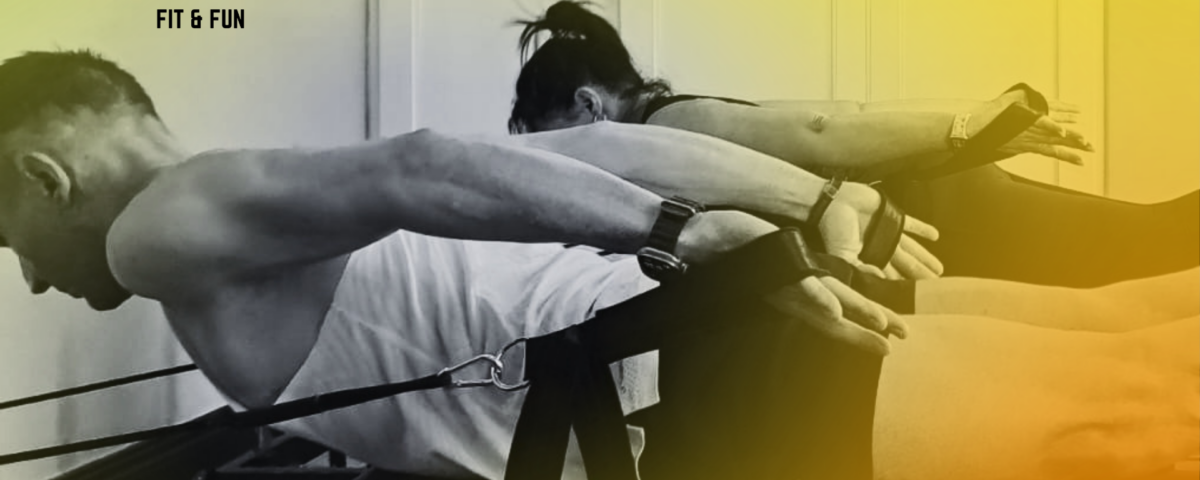
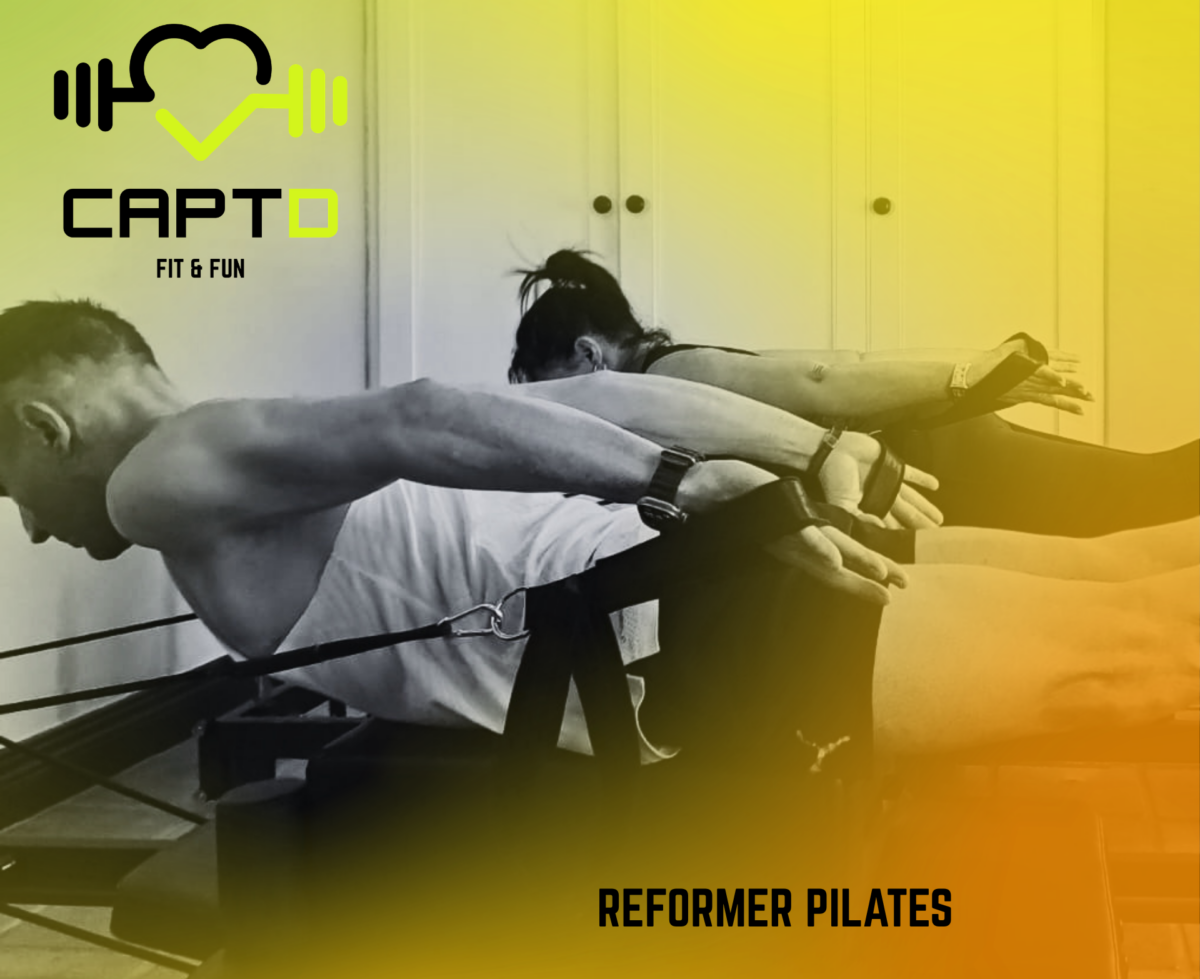
If you’ve never seen one up close, the Reformer can look slightly complicated. It’s essentially a specialised piece of Pilates equipment consisting of a moving carriage, springs, straps and various adjustable components.
The equipment provides both resistance and support, allowing you to perform a wide range of controlled exercises. The springs can be adjusted according to the exercise and the level of challenge required. That means the same basic movement can often be adapted as your strength and experience develop. It’s one of the reasons Reformer Pilates can work so well as a progressive form of exercise. You don’t simply learn one workout and stay there forever.
You learn. You strengthen. You progress.
What Should I Wear to Pilates?
For your first Reformer Pilates class, choose comfortable, fitted workout clothing that allows you to move freely. Think leggings, fitted activewear, comfortable exercise tops or similar clothing that won’t get in the way while you’re moving.
Why fitted? Because your instructor needs to be able to see your alignment and movement, particularly when you’re learning new exercises. Extremely loose clothing can also get in the way around the Reformer equipment. Most importantly, wear something you feel comfortable and confident in. You don’t need to arrive looking like you’ve just stepped out of a fitness campaign.
You’re there to move. That’s what matters.
What about footwear?
Pilates is generally performed without traditional running shoes, although your studio may have specific requirements around fitness socks or grip socks. If you’re attending Capt.D for the first time and aren’t sure what to wear on your feet, simply check the studio’s current class guidance when booking.
And remember: you don’t need to buy a whole new wardrobe just because you’re trying your first class.
What Should I Bring?
Keep it simple. For a typical Capt.D session, you’ll want:
- Comfortable workout clothing, gloves + grip socks
- Water
- A towel if you like having one with you
- Yourself — preferably with an open mind
That’s it. You don’t need to arrive carrying a giant gym bag containing seventeen different pieces of equipment. The studio provides the Reformer and the equipment required for the class. Your job is simply to show up ready to move.
What Happens When I Arrive?
This is another common source of first-class nerves. “What if I don’t know where to go?” Don’t worry. When you arrive at Capt.D Studio, you’ll be welcomed into the space and shown where you need to be. If it’s your first Reformer class, let your instructor know.
That way, they know you’re new and can make sure you understand the equipment and the basic setup before the session gets going. Don’t be afraid to ask questions. Actually, please do. If you’re unsure about something, ask.
If you don’t understand an instruction, ask. If a movement doesn’t feel right, say so. Your instructor would much rather you speak up than quietly struggle through an exercise because you were worried about interrupting. There are genuinely no silly questions.
What Happens During a First Reformer Pilates Class?
Your first class will generally introduce you to the basic principles of Reformer Pilates while giving you an opportunity to become comfortable with the equipment. You can expect your instructor to guide you through movements that may work on areas such as:
Core stability: Learning how to engage and control your centre.
Leg and glute strength: Developing lower-body strength through controlled resistance.
Posture and alignment: Becoming more aware of how your body is positioned.
Mobility: Moving your joints and spine through controlled ranges of motion.
Balance and coordination: Learning to control your body as different parts move.
You may also discover that Pilates is much harder than it looks. Those tiny, controlled movements? They count. That apparently innocent exercise where you’re moving your leg approximately three centimetres? Your muscles have opinions. And that’s part of the fun.
Will Everyone Else Be Better Than Me?
Maybe. Maybe not. But here’s the thing: It doesn’t matter. Fitness isn’t a competition. Someone who has been doing Reformer Pilates for six months should be more comfortable with the equipment than someone attending their first class.
That’s not failure. That’s experience. Your only job is to focus on your own movement. Don’t worry about how high someone else’s leg goes. Don’t compare your flexibility to the person next to you. Don’t panic if someone else seems to understand an exercise immediately. Your body has its own starting point.
Your progress will be your own. And one of the most satisfying things about Pilates is seeing that progress happen over time. The movement that felt confusing in Week 1 suddenly makes sense. The exercise that made your legs shake becomes manageable. Your balance improves. Your control improves. You become stronger. That’s the win.
What If I Can’t Do an Exercise?
You stop. You ask. You modify. You try again when you’re ready. You don’t have to force yourself through something simply because everyone else is doing it.
One of the advantages of instructor-led Pilates is that exercises can often be adapted according to the individual’s ability and experience.
Your instructor can guide you towards an appropriate variation or adjustment. And remember: “I can’t do that yet” is very different from “I can’t do that.” Your first class isn’t about mastering everything. It’s about learning the foundations.
What Should a Beginner Reformer Pilates Class Feel Like?
You might expect Pilates to feel gentle because the movements look controlled. And they are controlled. But controlled doesn’t necessarily mean easy. You may feel your muscles working in ways you’re not used to. You may find yourself concentrating more than you expected. You may sweat. You may shake. You may laugh. You may discover muscles you didn’t realise had been invited to the party.
But ideally, you should also leave feeling like you’ve done something positive for your body. A good workout doesn’t have to leave you completely exhausted. Sometimes the best feeling is: “I feel stronger than I did when I walked in.”
Is It Normal to Feel Sore After Pilates?
It can be. If you’re introducing your body to a new type of exercise, some muscle soreness afterwards isn’t unusual. Reformer Pilates can recruit muscles and movement patterns that you’re not accustomed to using in the same way.
That said, pain isn’t the goal. There’s an important difference between feeling that your muscles have worked and experiencing sharp, unusual or concerning pain. Always communicate with your instructor if something doesn’t feel right. And if you’re experiencing an existing injury, medical condition or persistent pain, it’s sensible to seek appropriate professional advice before beginning a new exercise programme.
Your body is giving you information. Listen to it.
Beginner, Intermediate or Advanced: Which Class Should I Choose?
This is where Capt.D’s different Reformer levels can make starting easier.
Beginner – This is your starting point if you’re new to Reformer Pilates.
Beginner classes focus on learning the equipment, understanding the fundamental movements and developing the strength, stability and coordination needed to progress.
There’s no expectation that you already know what you’re doing. You don’t. That’s the point. Beginner sessions are also useful for anyone who wants to build confidence before moving into more challenging classes.
Intermediate – This is where your foundation starts to become a workout.
Once you’re comfortable with the basic movements and have developed some experience on the Reformer, intermediate sessions can introduce greater complexity and challenge. You may encounter more demanding exercises, combinations and stability challenges. The emphasis remains on control and good technique, but you’re now asking your body to do more.
Think: More strength. More control. More confidence.
Advanced – Ready to challenge your movement skills?
Advanced Reformer Pilates involves more complex movements and combinations that require greater strength, stability, mobility, coordination and body awareness. It isn’t about showing off. It’s about having developed enough control and experience to safely tackle a higher level of challenge. And there’s no prize for getting there quickly. Progress at the right pace for your body.
Do I Need to Know Anything Before My First Class?
Not much. But there are a few things worth remembering.
Arrive with enough time to settle in. Rushing through the door at the last second isn’t the ideal way to begin a new experience. Give yourself enough time to arrive, get settled and mentally switch from “busy day” to “movement mode”.
Tell your instructor you’re new. Even if you’ve filled in a booking form indicating your experience level, it’s helpful to introduce yourself and let your instructor know you’re attending your first class.
Listen to your instructor. Your instructor will give you cues about positioning, resistance, breathing and movement. Listen carefully, especially when you’re learning the equipment.
Don’t be afraid to modify. Your body doesn’t have to perform every exercise exactly like the person next to you.
And finally: breathe. Seriously. People have a funny habit of holding their breath when concentrating. Pilates is not a breath-holding competition.
The Capt.D Experience: More Than Just a Workout
At Capt.D, we’re interested in more than getting you through a class. We want you to enjoy the experience. Because when exercise feels welcoming, achievable and enjoyable, you’re more likely to make it part of your lifestyle. Our approach is built around the idea that fitness can be challenging without being intimidating.
You can work hard without feeling punished. You can improve your strength without becoming obsessed with numbers. You can challenge yourself while still having fun. And you can walk into a class not knowing exactly what you’re doing and walk out thinking: “Okay… I actually really enjoyed that.” That’s what we’re aiming for.
A Beginner’s Guide to Making Pilates Part of Your Routine
If you enjoy your first class, the next step is consistency. You don’t have to attend every day. You don’t have to immediately commit to the most intense package available. Start with something realistic. One class a week can be a beginning. Two sessions might fit your schedule. Perhaps you’ll eventually combine Reformer Pilates with another Capt.D discipline such as Yoga/Pilates Fusion or DanceFit. The important thing is to find a rhythm that works with your life. Because the most effective fitness routine isn’t the one that looks impressive on paper. It’s the one you can actually maintain.
Your First Capt.D Class Starts Here
If you’ve been thinking about trying Reformer Pilates in Pretoria but haven’t quite worked up the courage to book your first class, consider this your friendly nudge. You don’t have to know everything before you arrive. You don’t have to be fit before you start. You don’t have to impress anyone. You simply need to be willing to try.
At Capt.D Studio, our beginner Reformer sessions provide an opportunity to learn the foundations, become comfortable with the equipment and start developing strength, stability, mobility and body awareness at your own pace.
And remember the most important rule: There are no silly questions. Ask us how the Reformer works. Ask what you should wear. Ask which class is right for you. Ask whether Pilates is suitable for beginners. Ask anything. Then take a breath, step through the door and get ready to move.
Ready to Give It a Go? Your first class doesn’t have to be perfect. It just has to happen. Start where you are. Learn as you go. Build from there. We’ll see you on the Reformer.